

rechargeable makeup mirror
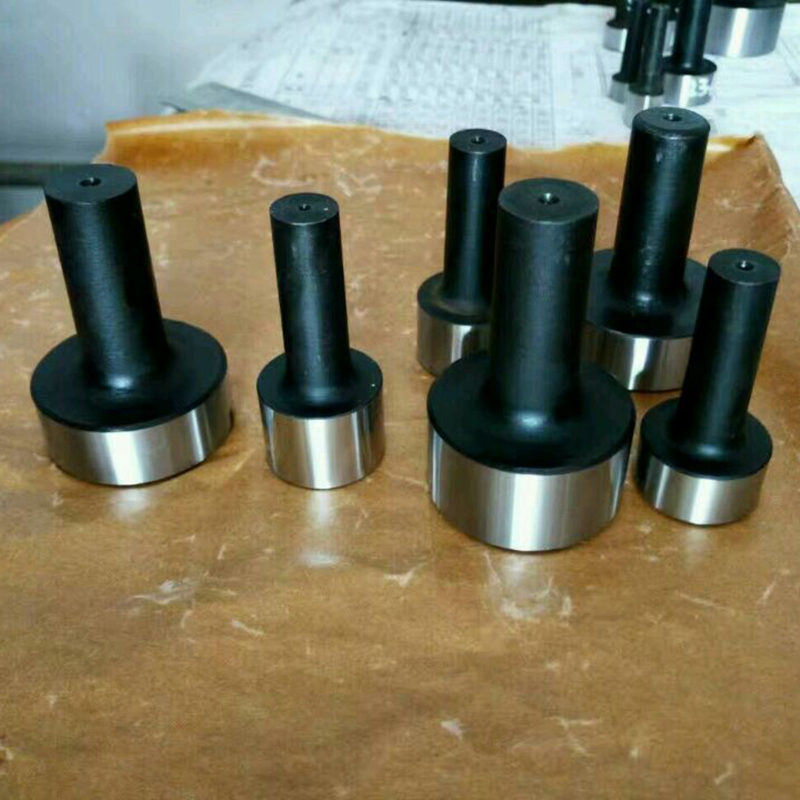
Exploring the Small Hole Measuring Gauge Precision in Measurement In the realm of engineering and manufacturing, precision is paramount. One of the tools that embody this precision is the small hole measuring gauge. Designed to accurately measure the diameter of small holes, this device plays a critical role in various industries, including aerospace, automotive, and medical device manufacturing. In this article, we delve into the intricacies of small hole measuring gauges, their applications, advantages, and best practices for use. Understanding Small Hole Measuring Gauges Small hole measuring gauges are specialized instruments that allow users to assess the diameter of holes that may be too small for conventional measuring tools like calipers or micrometers. These gauges come in various designs, but they generally consist of a probe that is inserted into the hole being measured. The gauge indicates the diameter based on the depth to which the probe can fit within the hole. There are different types of small hole measuring gauges available, including dial gauges, digital gauges, and laser-based systems. Each type has its unique features, advantages, and measurement methods, catering to individual needs in measurement accuracy and ease of use. Applications of Small Hole Measuring Gauges The applications of small hole measuring gauges are vast. In the aerospace industry, for example, manufacturers often create parts with highly precise hole dimensions to ensure proper fit and function; thus, small hole measuring gauges are essential to verify these specifications. In the automotive industry, they are used to measure fuel injector orifices and critical engine components, where even the slightest deviation can affect performance and emissions. Moreover, in the medical device sector, precision is crucial. Small hole measuring gauges are employed to inspect components like syringes, needles, and tubes to ensure that they meet the required specifications for safety and efficacy. This level of precision in measurement is vital in maintaining quality control across various industries. Advantages of Using Small Hole Measuring Gauges One of the primary advantages of small hole measuring gauges is their ability to provide accurate measurements in confined spaces. Unlike traditional tools that may struggle with tiny openings, these gauges are specifically designed to access and measure small diameters effectively . This ensures that manufacturers can maintain tight tolerances in their production processes, reducing the risk of defects and ensuring product reliability. small hole measuring gauge Another advantage is the speed of measurement. Many small hole measuring gauges, particularly digital models, can provide instantaneous readings, which can significantly enhance productivity in manufacturing settings. This rapid feedback allows operators to make real-time adjustments, thereby streamlining quality control processes. Best Practices for Using Small Hole Measuring Gauges To maximize the accuracy and lifespan of small hole measuring gauges, it is essential to follow best practices during use 1. Calibration Regularly calibrate the gauge according to the manufacturer’s specifications to ensure accuracy. Calibration should be done before each measurement session. 2. Cleanliness Keep the measuring probe and the work area clean. Dust and debris can affect measurement accuracy and may damage the probe over time. 3. Proper Insertion Technique When inserting the probe into the hole, ensure that it is perpendicular to the hole's surface. This prevents skewed measurements and increases reliability. 4. Reading the Measurement Take note of the measurement readout promptly and avoid moving the gauge after the reading is taken to prevent errors. 5. Training Ensure that all personnel using the gauges are adequately trained on how to operate them correctly. Understanding the gauge’s capabilities and limitations will enhance measurement accuracy. Conclusion Small hole measuring gauges are essential tools in ensuring precision in various industries that require high accuracy for small components. Their ability to measure small diameters with ease and speed makes them indispensable in quality control and assurance processes. By adhering to best practices and understanding their applications, engineers and technicians can enhance the reliability and performance of their products while maintaining the high standards required in today's competitive market. The right tools, like the small hole measuring gauge, contribute significantly to the success of many engineering projects, exemplifying the importance of precision in modern manufacturing.
about
rechargeable makeup mirror
The Importance of Metal Valves in Industrial Applications Metal valves play an essential role in various industries, serving as critical components for regulating the flow of fluids and gases in pipelines, machinery, and systems. Their design and functionality significantly influence operational efficiency, safety, and durability in process applications. In this article, we will explore the various types of metal valves, their applications, and why they are indispensable in today's industrial landscape. Metal valves come in various types, each serving specific functions and industries. The most common types include gate valves, globe valves, ball valves, butterfly valves, and check valves. Gate valves are often used for on/off control, allowing or blocking flow completely, while globe valves are preferred for throttling services due to their ability to control flow rates effectively. Ball valves are favored for their quick operation, often completing a quarter turn to open or close. Butterfly valves are lightweight and compact, making them suitable for large volume pipe systems. Lastly, check valves, also known as non-return valves, allow fluid to flow in one direction while preventing backflow, thus protecting pumps and other equipment. The materials used for metal valves vary based on the specific requirements of each application . Common materials include stainless steel, carbon steel, cast iron, and various alloys. Stainless steel valves, for instance, are renowned for their corrosion resistance and durability, making them ideal for chemical processing and marine applications. On the other hand, carbon steel valves are often used in industries where cost-effectiveness is a priority, provided that the operating conditions do not involve corrosive substances. metal valve Metal valves are pivotal in numerous industries, including oil and gas, water treatment, power generation, and food and beverage. In the oil and gas sector, valves control the flow and pressure of fluids within pipelines, ensuring safe and efficient transport. Water treatment plants utilize metal valves to regulate the flow of water during purification processes, essential for delivering clean water to communities. In power generation, valves play a critical role in managing steam and water flows in turbines and boilers, directly impacting efficiency and output levels. Additionally, in the food and beverage industry, sanitary metal valves ensure that products remain uncontaminated during processing and packaging. Safety is another crucial aspect of metal valves. In high-pressure applications, such as those found in oil refineries and chemical plants, the failure of a valve could lead to catastrophic results, including leaks, explosions, or environmental disasters. Therefore, adhering to stringent manufacturing standards and regular maintenance protocols is vital to ensure that metal valves function correctly and remain reliable over time. In conclusion, metal valves are indispensable components that underpin the functionality and safety of various industrial processes. Their diverse types and robust materials cater to a wide array of applications, making them critical for efficient operations in many sectors. As industries continue to evolve and demand more advanced solutions, the importance of high-quality metal valves remains at the forefront of engineering and manufacturing practices. Investing in the right type of metal valve is not just an operational decision; it is a commitment to safety, efficiency, and long-term success in any industrial endeavor.
-

High quality industrial productsagement

High quality industrial products
View Details -

Meet the diverse needs of customers

Meet the diverse needs of customers
View Details -

Strict quality control

Strict quality control
View Details -

Top raw materials

Top raw materials
View Details -

Trusted supplier

Trusted supplier
View Details
Our application
news and information
Various Types of Non-Return Valves and Their Applications in Fluid Control
Understanding Non-Return Valve Types Non-return valves, also known as check valves, play a crucial r

Vanne à soupape flanquée 4 pouces pour applications industrielles et domestiques
Vanne à opercule de 4 pouces avec brides une solution fiable pour les systèmes de conduits Les vann
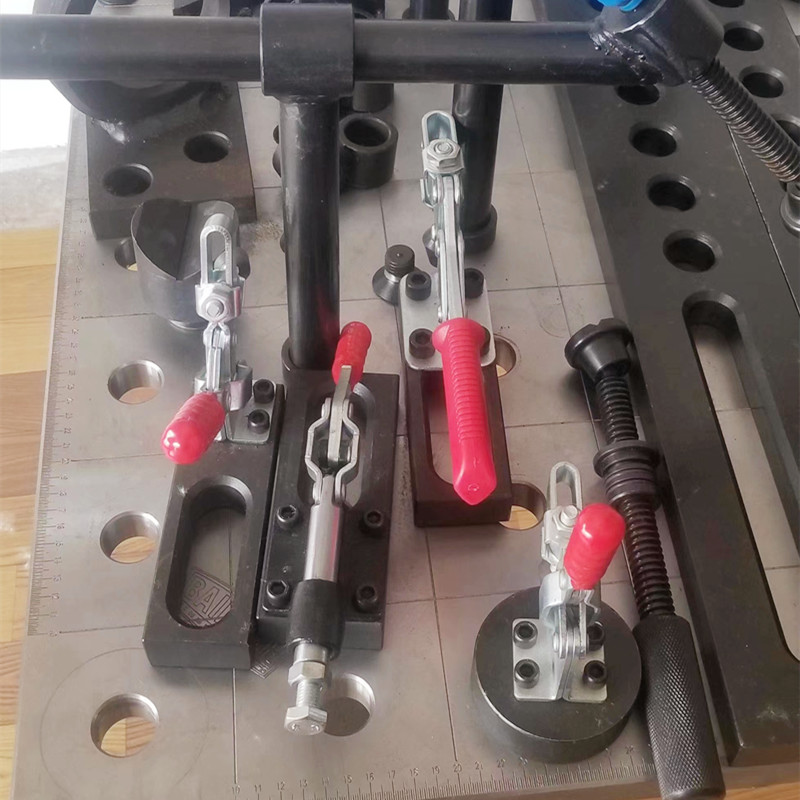
Versatile Clamps for Welding Tables Enhancing Stability and Precision in Metal Fabrication
The Importance of Welding Table Clamps in Metalworking Welding is an essential process in various in
 English